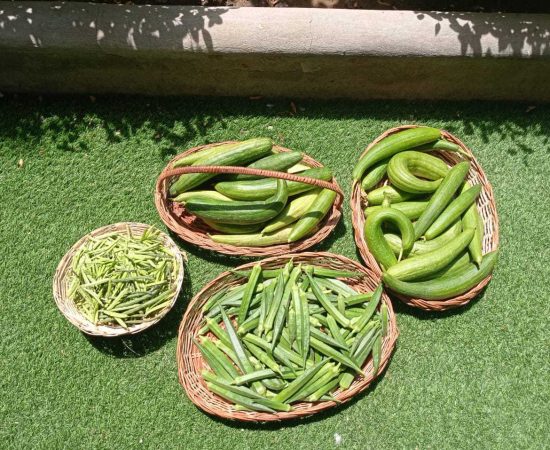
When the pandemic struck, the two of us found ourselves staring at screens for several hours every day. We felt the urge to engage in something meaningful and decided to start a vegetable garden in our front yard. We began with simple vegetables like onions, tomatoes, chilies, and coriander, since they were easily available at home.

We were thrilled when the first shoots appeared. That excitement pulled us in deeper. Our neighbours noticed our enthusiasm and joined in. Within a month, we could already see our hard work bearing fruit, or rather vegetables.

That is when the idea behind “Planting Hopes” took root in our minds. With the pandemic in full swing and most people working from home, our small idea soon turned into a neighbourhood project. Everyone was contributing, sharing ideas, and growing vegetables in their tiny gardens.

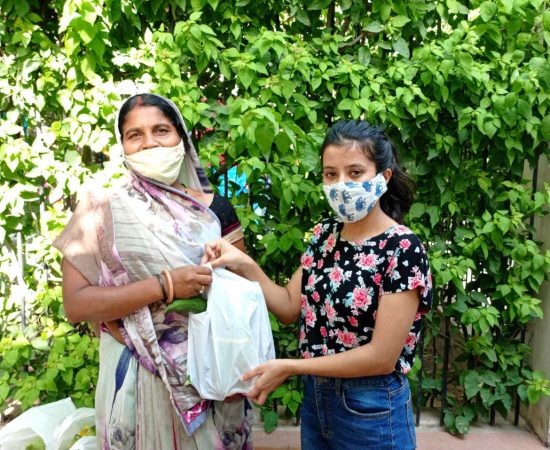
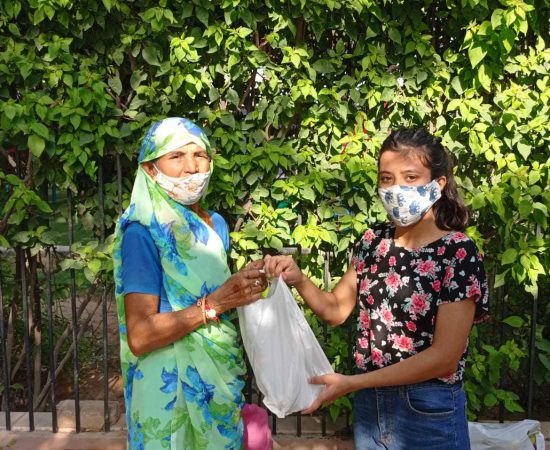
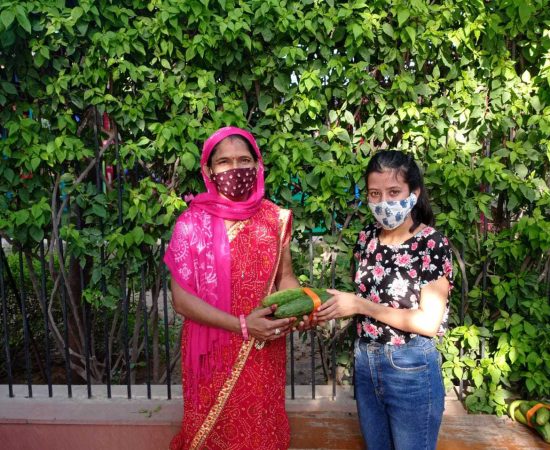
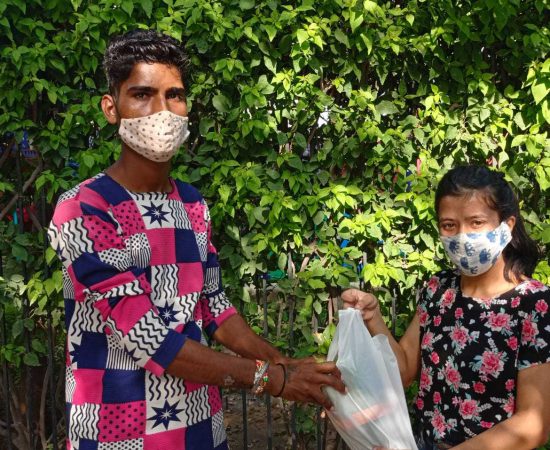
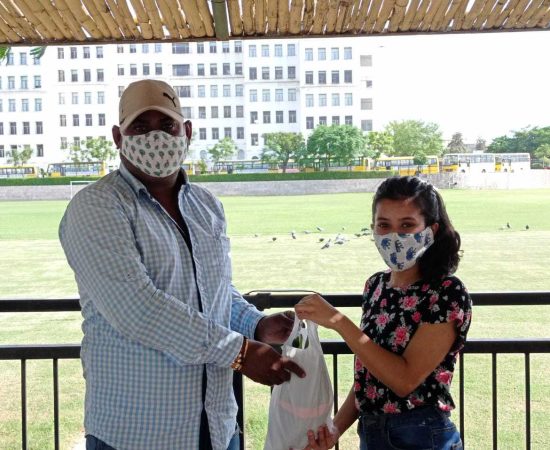
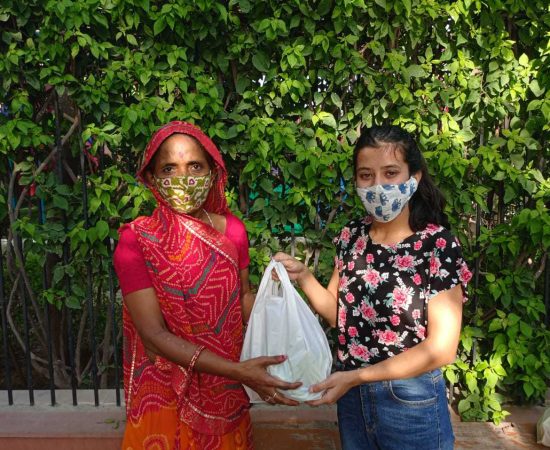
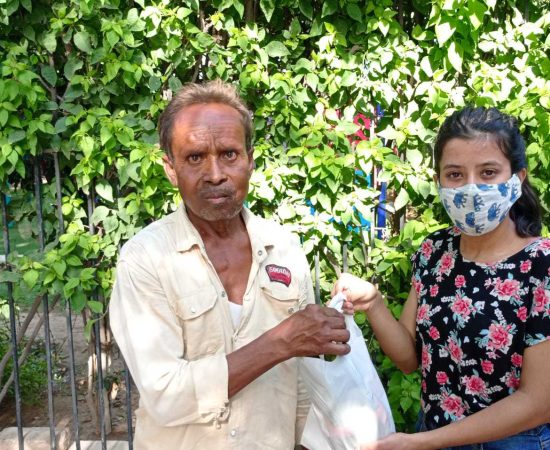
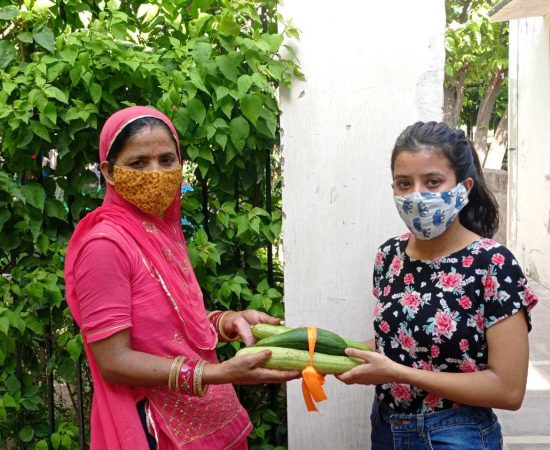
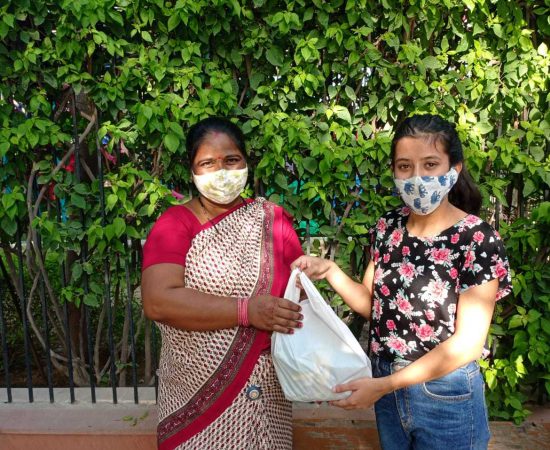
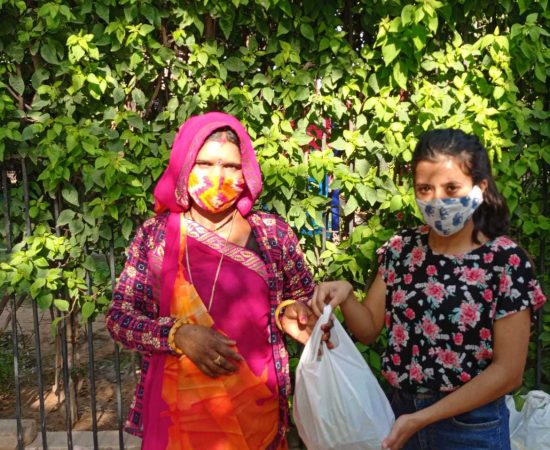
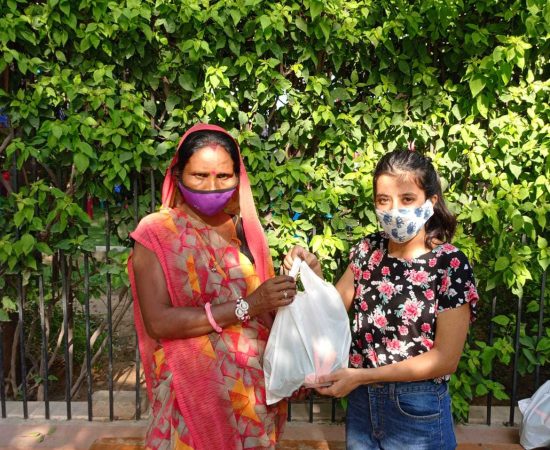
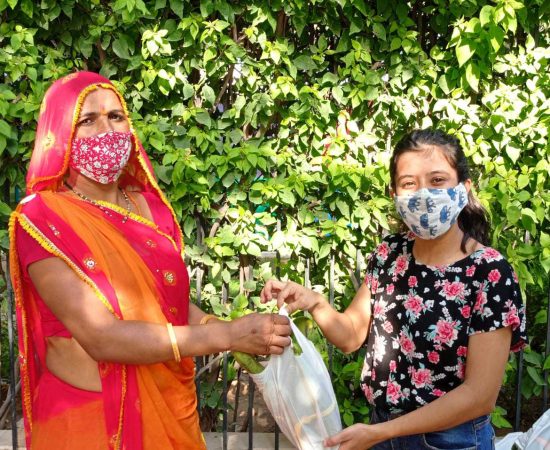
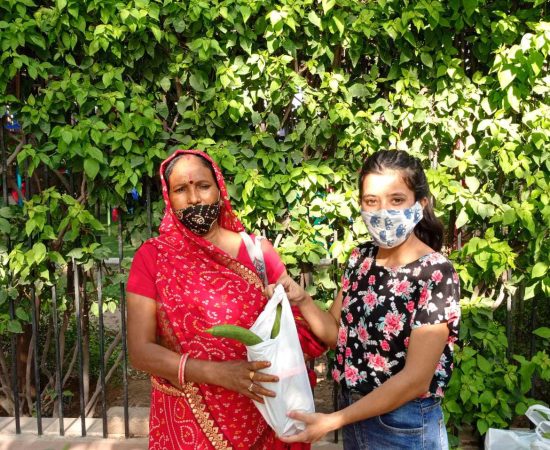
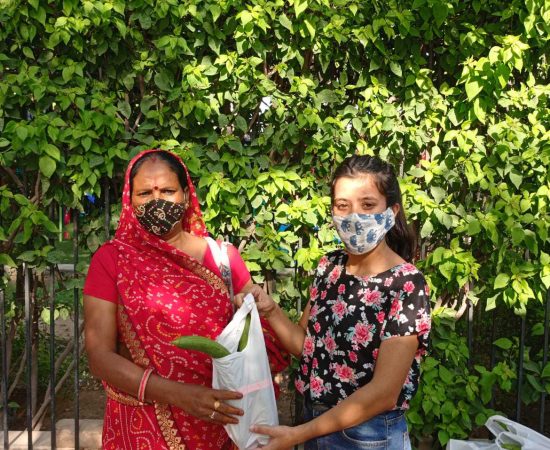
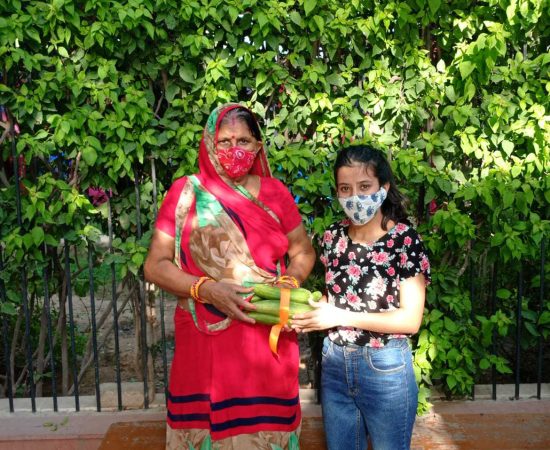
We decided to support people in need within our locality by sharing the vegetables we harvested.

Starting our own vegetable garden brought us closer to our community. Gardening gave us a sense of inner peace and calm. We loved how these small actions connected us with Mother Earth and with everyone around us.

Larger Accountability

The prestigious Changemaker Project, a social justice leadership program invested $1150 in Planting Hopes.

Since then, there has been no looking back. With the funds We received, I gave wings to my modest ideas and improved them with each passing day. The responsibility that now lay on my shoulders to serve people and the community was massive and I had to make my initiatives a roaring success. I started helping people affected by poverty and malnutrition.

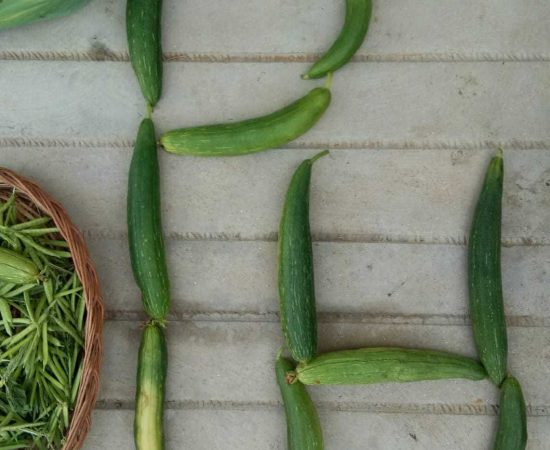
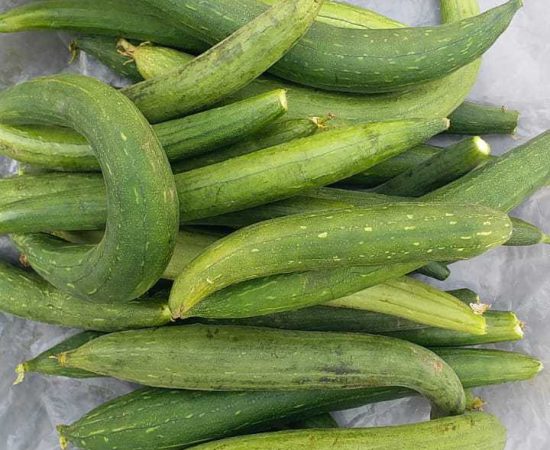
I found 4 different barren lands around my home and started cultivating them for vegetables. My community vegetable gardens grew bigger with 300 people working alongside us to encourage my ideas. We grew bottle gourd, ridge gourd, ladyfinger, cowpea, pumpkin, spinach, onion, and much more.

Project Microtopia

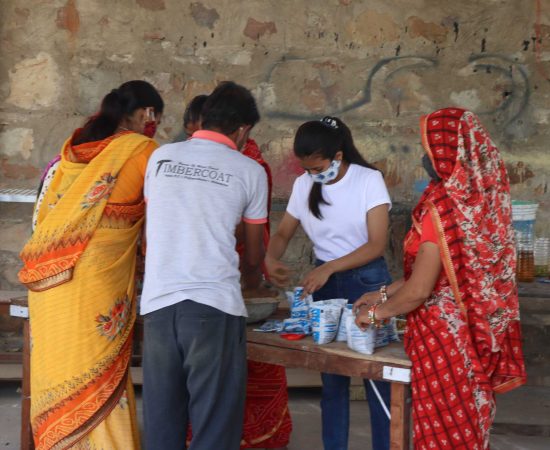
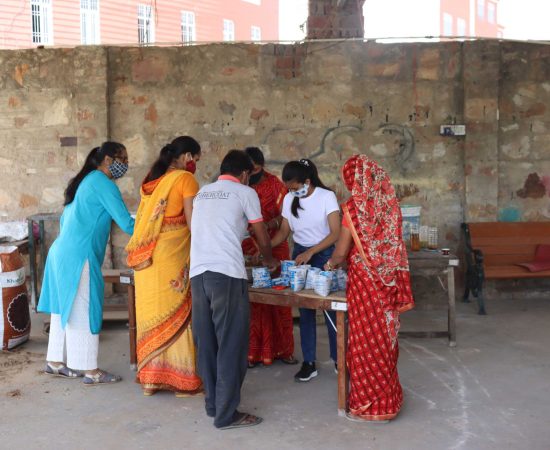
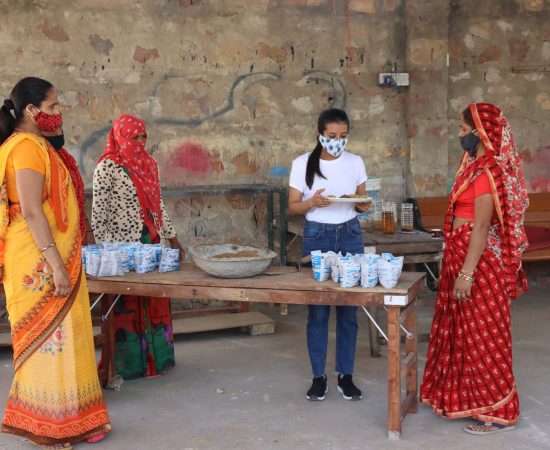
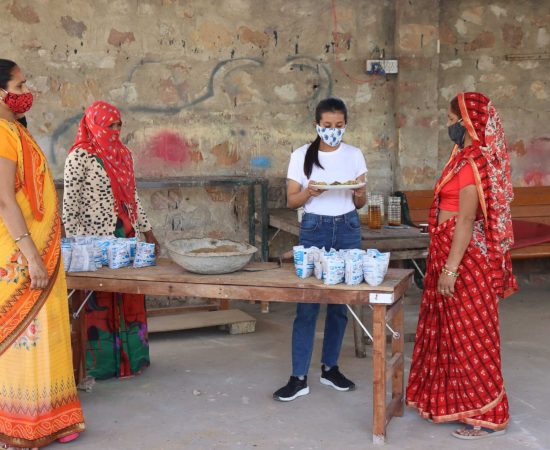
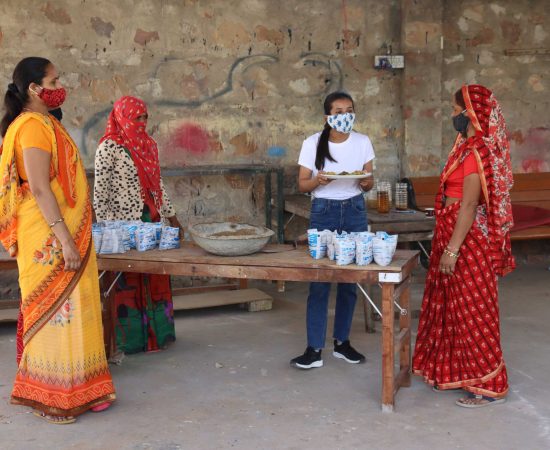
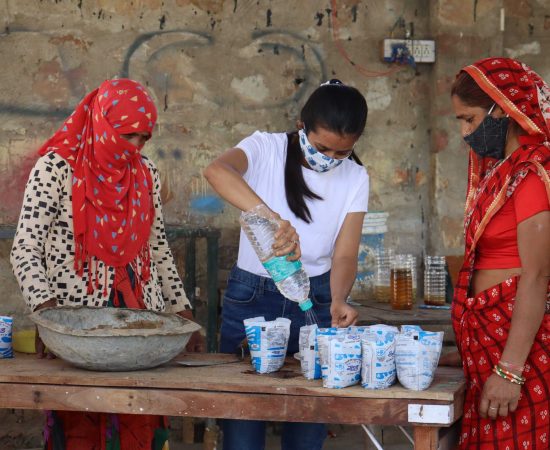
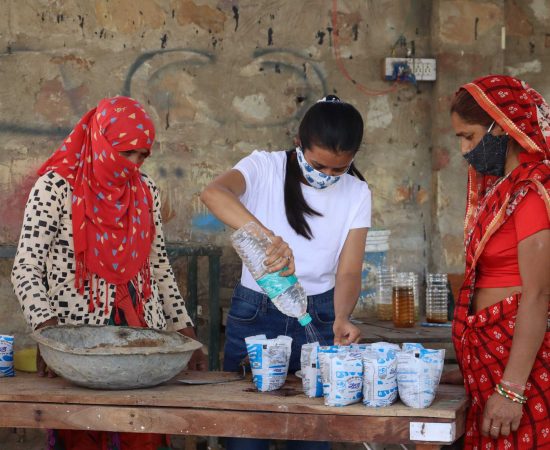
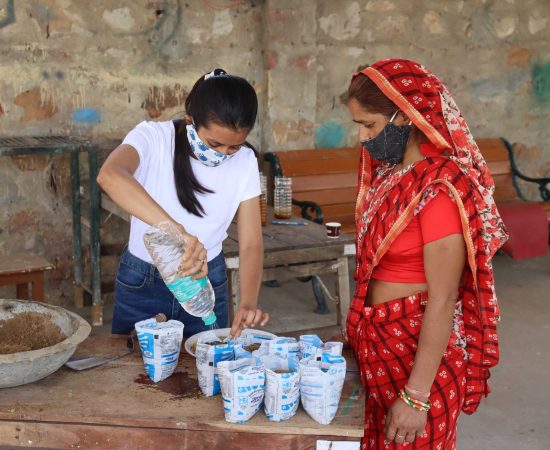
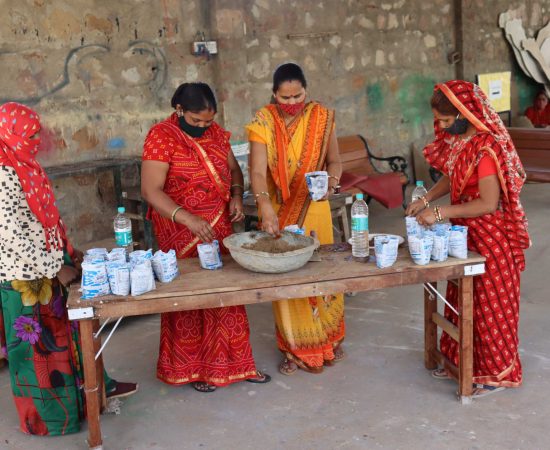
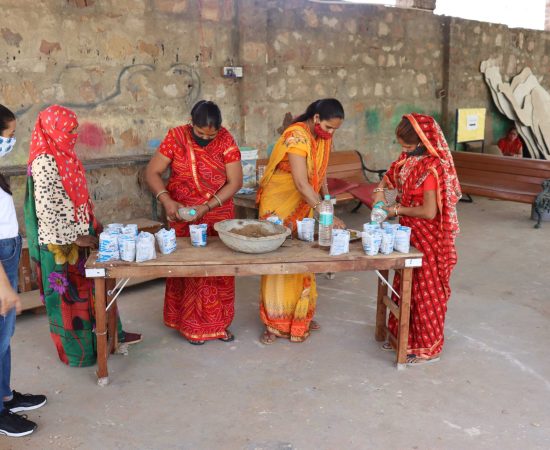
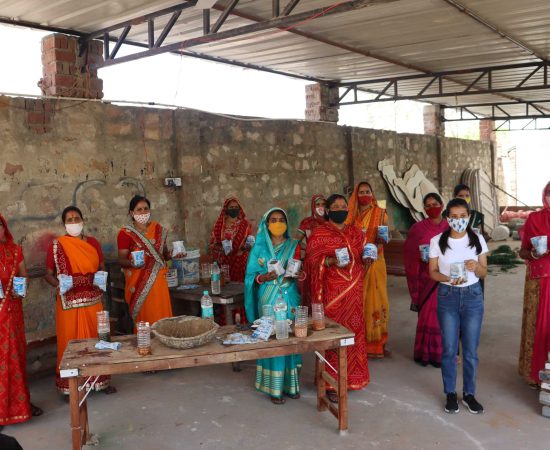
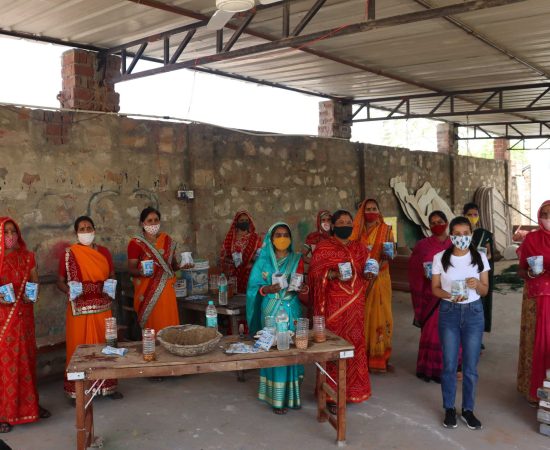
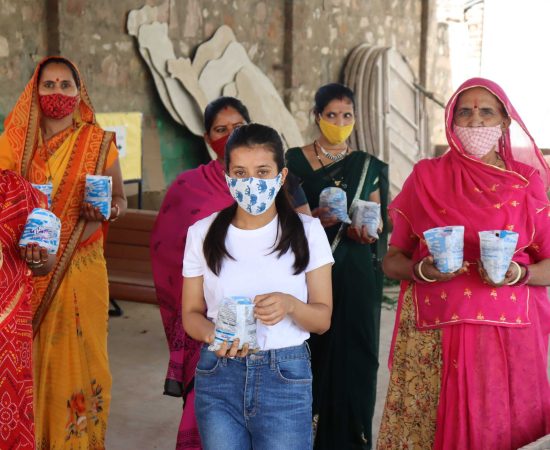
We conducted several microgreens workshops to help underprivileged women lead self-sustainable lives by growing and selling microgreens. Through Project Microtopia, our aim was to combine and support two UN goals: promoting sustainability through women’s empowerment and leadership.

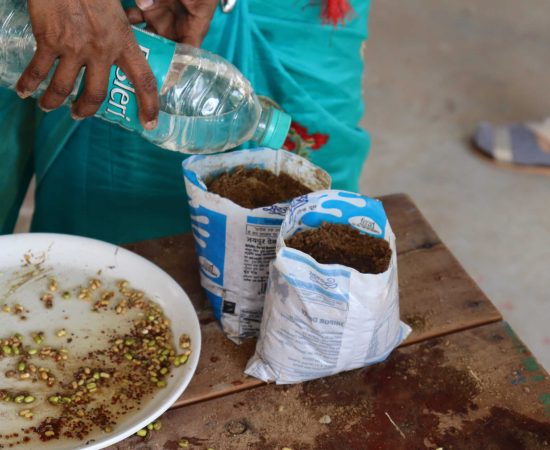
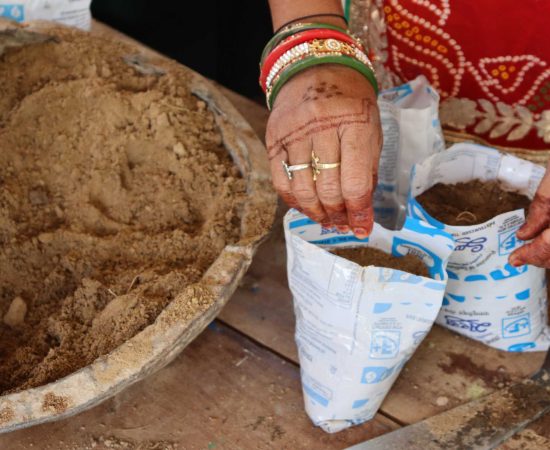
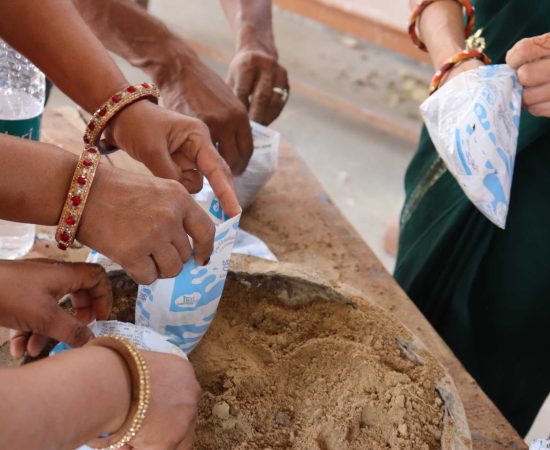
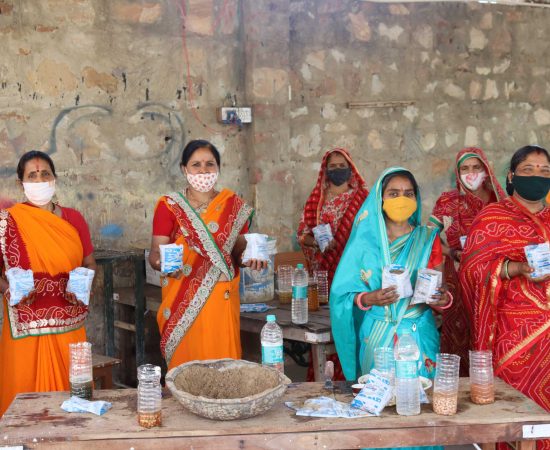
Together, we organized a workshop for 50 underprivileged women, where we explained the nutritional benefits of microgreens and the importance of including them in daily diets. To ensure affordability and encourage eco-friendly practices, we chose to grow microgreens in used milk bags, promoting the recycling and reuse of plastic.

With minimal resources and simple techniques, the program was successfully implemented. We worked with the women to grow mustard seeds, fenugreek seeds, coriander seeds, fennel seeds, peanuts, and pulses such as Bengal gram, black-eyed beans, cowpeas, and green gram in multiple homes.

Plant and Breathe

“There’s so much pollution in the air now that if it weren’t for our lungs there’d be no place to put it all.” ~ Robert Orben

During the pandemic, we realized the true cost and importance of oxygen.

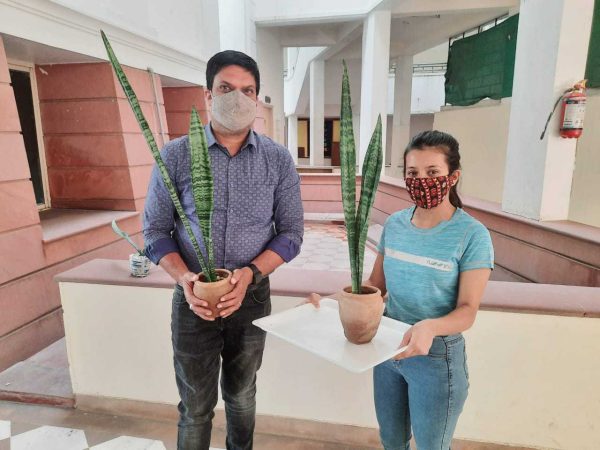
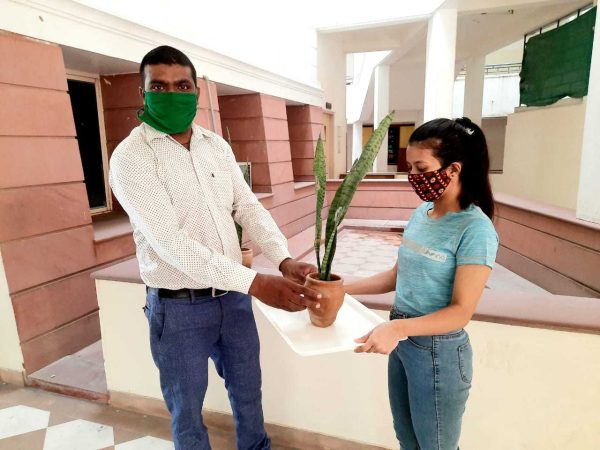
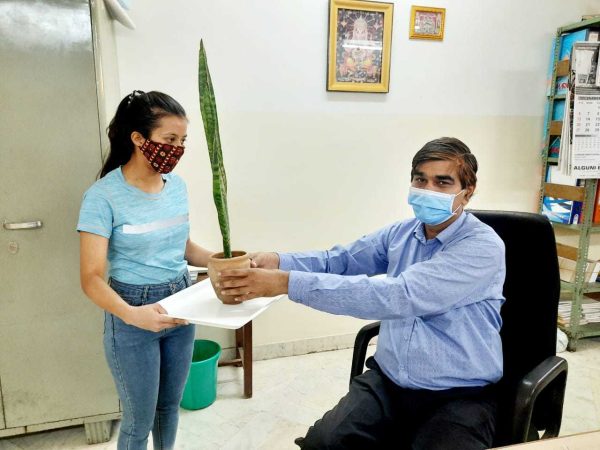
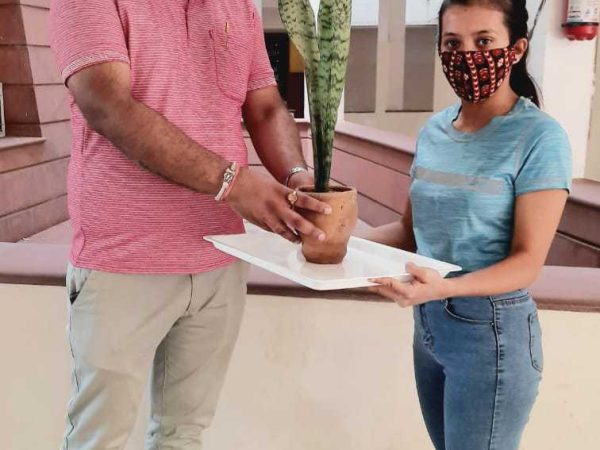
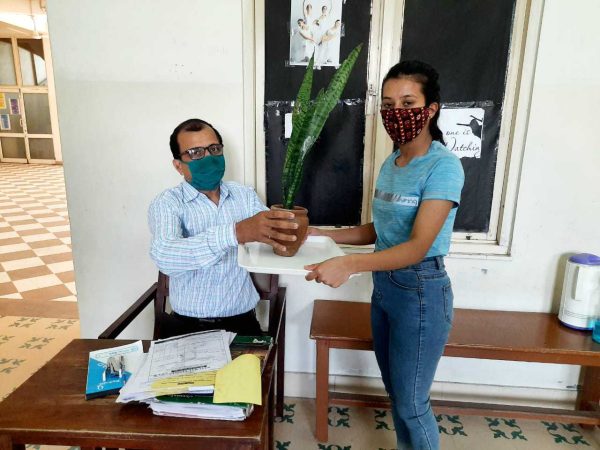
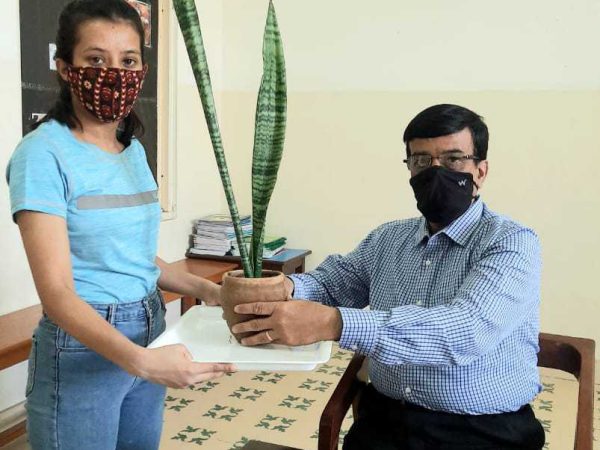
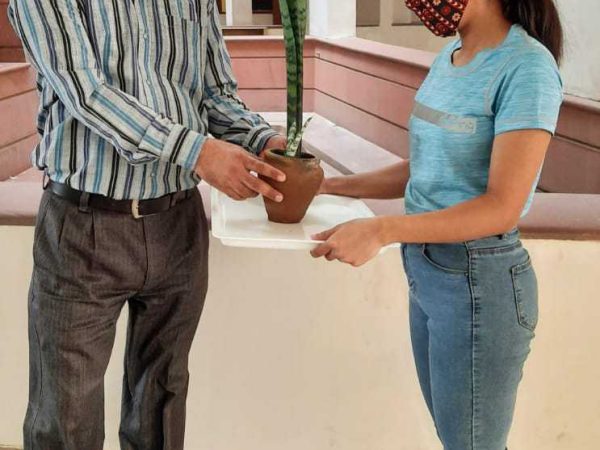
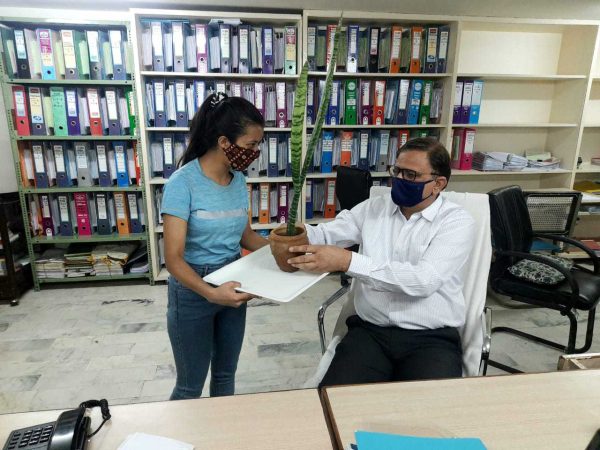
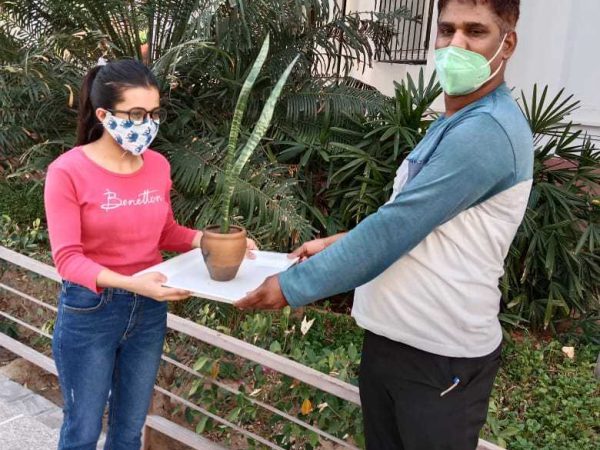
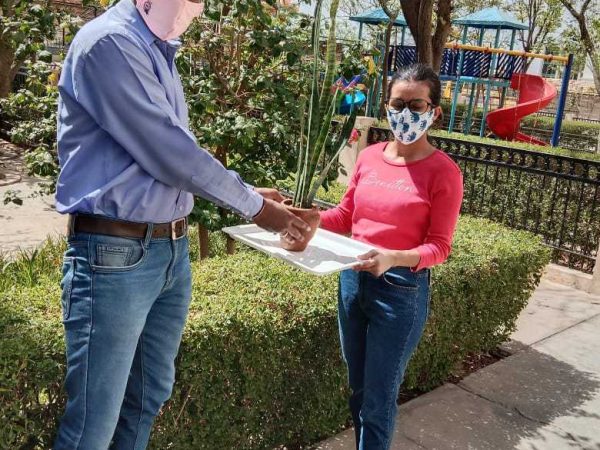
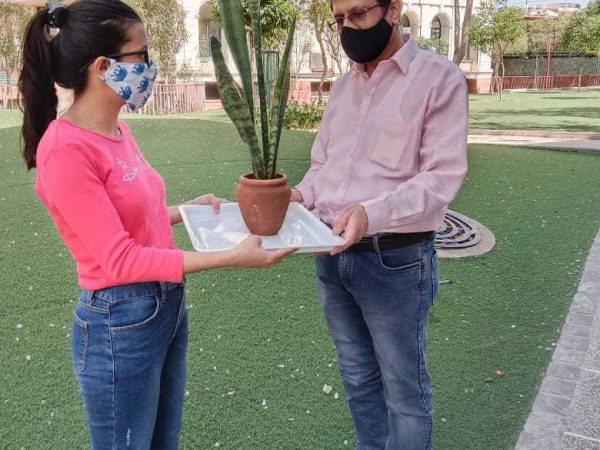
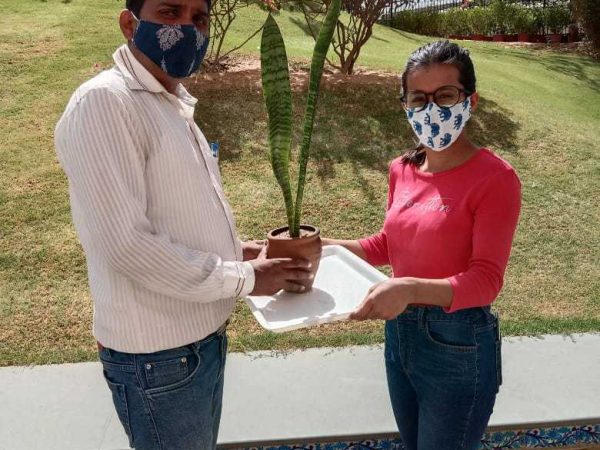
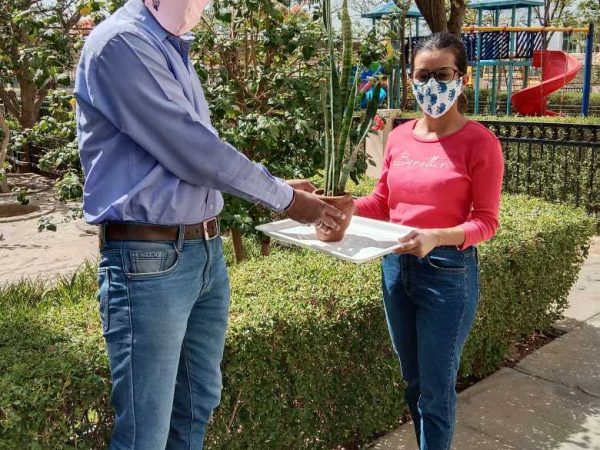
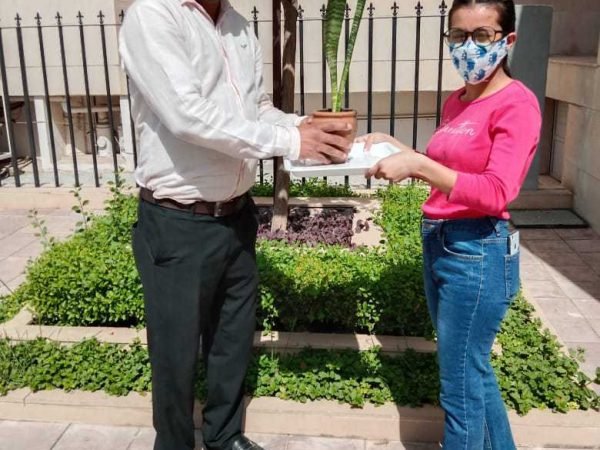
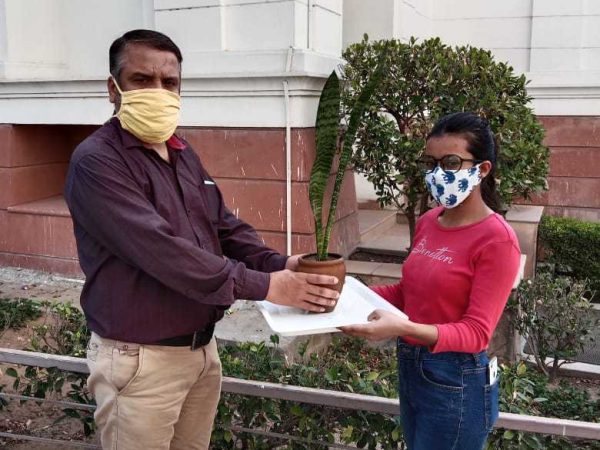
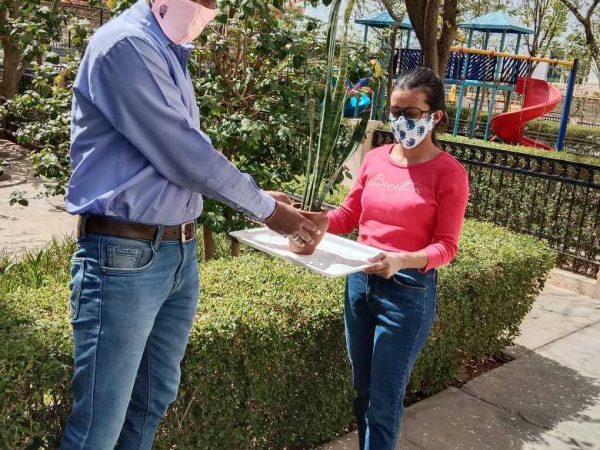
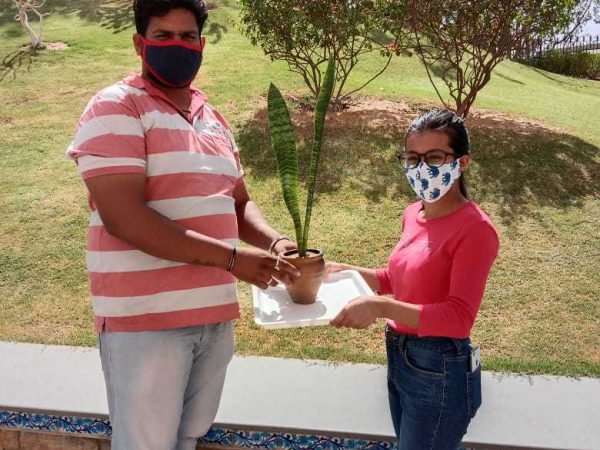
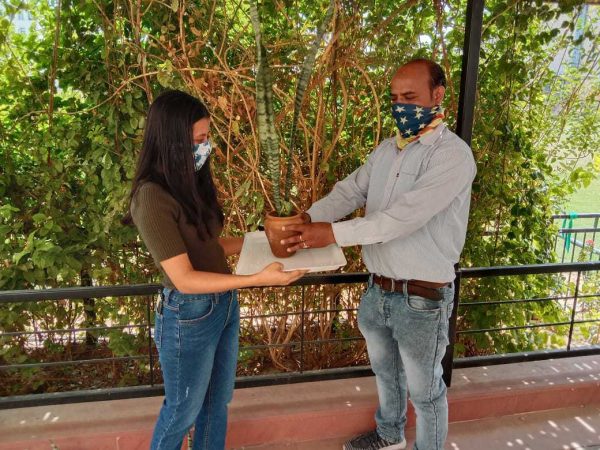
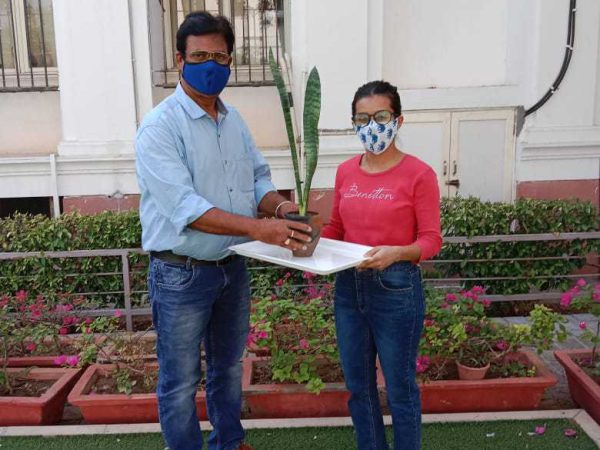
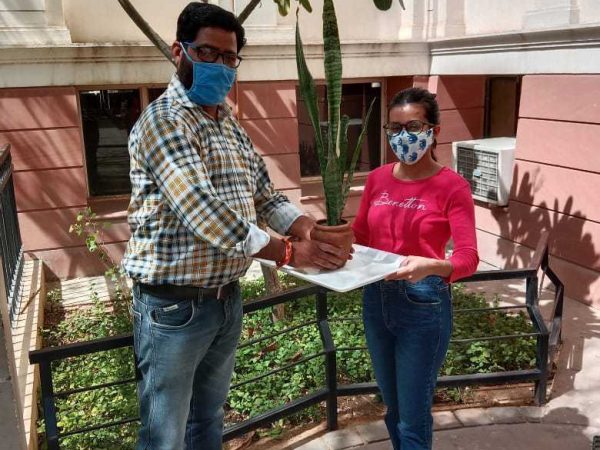
Every human deserves clean, fresh air. This belief pushed us to take action by distributing some of the highest oxygen-giving plants to more than 100 people in our community, while also spreading our love for nature.

Did you know, according to NASA, snake plants are among the top oxygen-producing plants?

Mission

Planting Hopes is committed to improving the nutritional well-being of underprivileged families by providing access to fresh, home-grown vegetables. We aim to build self-reliant communities by equipping families, women, and schools with sustainable gardening practices while strengthening awareness about the importance of nutrition and a greener environment.

Vision

A future where every household has the knowledge and ability to grow its own nutritious food, every child enjoys a healthy life free from malnutrition, and every community contributes to a more sustainable and environmentally conscious world.